Strati_FT 16 Post Congress 

Strati_FT 16 Post Congress 

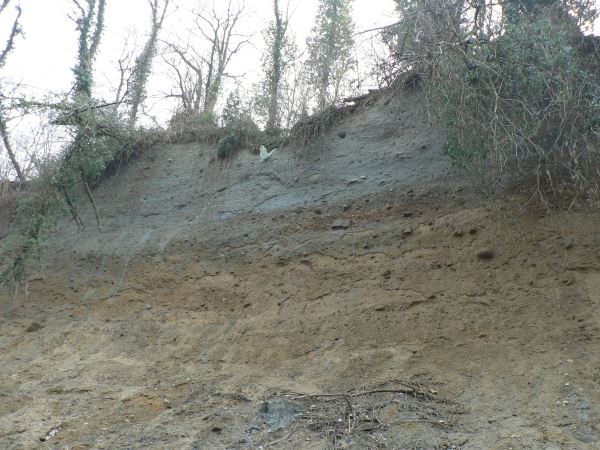
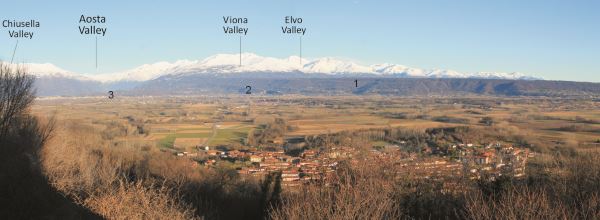
The Quaternary interglacial-glacial cycles recorded in the Ivrea Morainic Amphitheatre, the most notable end-moraine system in the European Alps (latest Early Pleistocene-Late Pleistocene, Piedmont, Italy).

Field Trip leaders/co-leaders: F. Gianotti (University of Torino, Italy)
Duration: 1 day, 6th July
Meeting point/time: Milan, Centrale railway station 7:30
Ending point/time: Milan, 18:30
Quote included: 1 lunch/1 day bus/Insurance
Price: 120€
Participants: 23

The one-day trip will focus on geomorphology, stratigraphy and archaeology of the Morainic Amphitheatre of Ivrea. Formed during the nine interglacial-glacial cycles (900-20 ka BP, from the MIS 22 to the MIS 2), the different glacigenic units are identified through the pedostratigraphy and the finding of buried marker levels (palaeosols and interglacial/interstadial lacustrine-palustrine deposits). We’ll walk through a large sequence of ancient lateral moraines, from the oldest to the youngest, until we’ll reach the crest of the Serra of Ivrea, formed in the last glaciation, that is the largest moraine in the Alps. The field trip also includes a visit in the oldest sector of the amphitheatre where the enormous mine dumps of the Bessa gold placer (10 km2) are preserved, dating back to Roman age (II-I century BC).

Difficulty and additional notes: medium; hiking on very steep and bumpy firebreak tracks.Hiking boots, safety googles and rain coat required. Be aware that summer temperature may be particularity hot in Italy and you may need to protect your eyes and skin from the sun.
 

Fill in the form and email it to strati2019@eravelservice.com to sign up for a field trip. In case of cancellation of a field trip for low number of participants, there will be the  possibility to participate in another field trip. You may indicate your alternative choices (2 field trips at maximum) within the registration form.

Strati_FT 10 Post Congress 

Strati_FT 10 Post Congress 

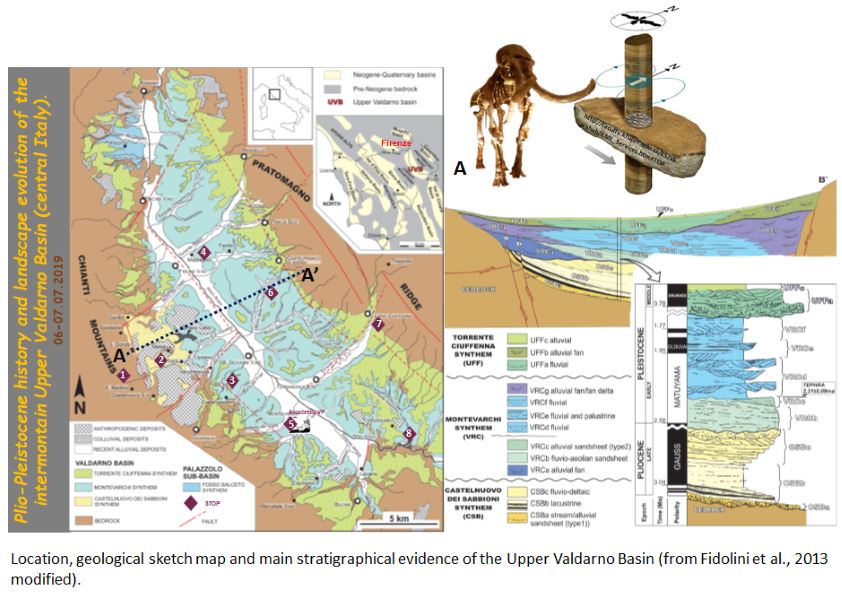
Plio-Pleistocene history and landscape evolution of the intermountain Upper Valdarno Basin (central Italy)

Field Trip leaders/co-leaders: A. Bertini and G. Mazza (University of Florence, Italy)
Duration: 2 days, 5th-7th July
Meeting point/date/time: Milan, 5th July, late afternoon
Ending point/time: Milan, late afternoon
Quote included:  2 night hotel/ 3 packed lunch/2 dinner / Insurance /2 days round trip from Milan
Price: 650€
Participants: 25

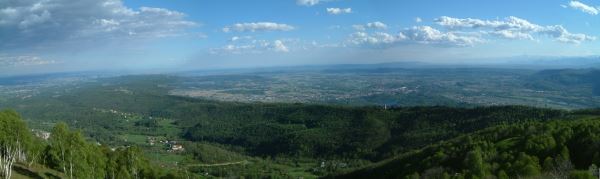
An unmissable chance to visit one of the world’s most famous fossiliferous localities, just next to the magnificent city of Florence: the Upper Valdarno Basin, where fossilized plant remains and bones have been found ever since the Renaissance. This tectonic depression is one of the largest intermountain basins of the Northern Apennines. The basin offers wonderful exposures, where visitors have the opportunity to admire the sedimentary manifestations of the Plio-Pleistocene climate changes. Visitors can also marvel at the biotic witnesses of the climate-driven environmental instabilities kept in the local, historical Paleontological Museum of Montevarchi. The topics that will be illustrated and discussed at the various stops planned for this visit are the following:

  • stratigraphic significance of the sedimentological and biological signals present in the Upper Cenozoic continental deposits;
  • pollen-based ecobiostratigraphy and significance of the local faunal assemblage;
  • the use of biochronology for the calibration of continental deposits, complemented by paleomagnetism, palynology, vertebrate paleontology;
  • assessment of the reaction times of continental and marine ecosystems to both climate changes and tectonic events, for regional- and global-scale correlations.

Difficulty and additional notes: low, no hiking necessary.
Hiking shoes, safety googles and rain coat required. Be aware that summer temperature may be particularity hot in Italy and you may need to protect your eyes and skin from the sun.

Fill in the form and email it to strati2019@eravelservice.com to sign up for a field trip. In case of cancellation of a field trip for low number of participants, there will be the  possibility to participate in another field trip. You may indicate your alternative choices (2 field trips at maximum) within the registration form.

Strati_FT 10 Post Congress 

Strati_FT 10 Post Congress 

Plio-Pleistocene history and landscape evolution of the intermountain Upper Valdarno Basin (central Italy)

Field Trip leaders/co-leaders: A. Bertini and G. Mazza (University of Florence, Italy)
Duration: 2 days, 5th-7th July
Meeting point/date/time: Milan, 5th July, late afternoon
Ending point/time: Milan, late afternoon
Quote included:  2 night hotel/ 3 packed lunch/2 dinner / Insurance /2 days round trip from Milan
Price: 650€
Participants: 25

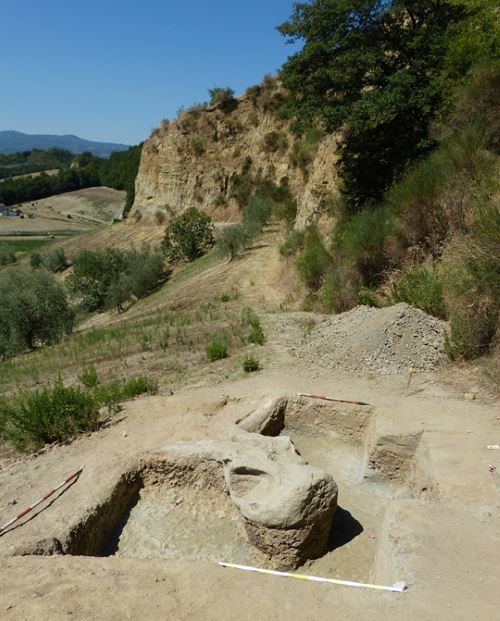
An unmissable chance to visit one of the world’s most famous fossiliferous localities, just next to the magnificent city of Florence: the Upper Valdarno Basin, where fossilized plant remains and bones have been found ever since the Renaissance. This tectonic depression is one of the largest intermountain basins of the Northern Apennines. The basin offers wonderful exposures, where visitors have the opportunity to admire the sedimentary manifestations of the Plio-Pleistocene climate changes. Visitors can also marvel at the biotic witnesses of the climate-driven environmental instabilities kept in the local, historical Paleontological Museum of Montevarchi. The topics that will be illustrated and discussed at the various stops planned for this visit are the following:

  • stratigraphic significance of the sedimentological and biological signals present in the Upper Cenozoic continental deposits;
  • pollen-based ecobiostratigraphy and significance of the local faunal assemblage;
  • the use of biochronology for the calibration of continental deposits, complemented by paleomagnetism, palynology, vertebrate paleontology;
  • assessment of the reaction times of continental and marine ecosystems to both climate changes and tectonic events, for regional- and global-scale correlations.

Difficulty and additional notes: low, no hiking necessary.
Hiking shoes, safety googles and rain coat required. Be aware that summer temperature may be particularity hot in Italy and you may need to protect your eyes and skin from the sun.
Fill in the form and email it to strati2019@eravelservice.com to sign up for a field trip. In case of cancellation of a field trip for low number of participants, there will be the  possibility to participate in another field trip. You may indicate your alternative choices (2 field trips at maximum) within the registration form.

FT 11 Post Congress 

FT 11 Post Congress 

Permian and Triassic sedimentary basins from Sicily

Field Trip leaders/co-leaders: P. Di Stefano, S. Todaro (University of Palermo, Italy)
Duration: 3 days, 6th-9th July
Meeting point/time: Palermo, Falcone-Borsellino Airport, 13:00
Ending point/date/time: Palermo, 9th July, early morning
Quote included:  3 night hotel/ 4 packed lunch / 2 dinner / Insurance/ 4 day bus
Quote not included: flight
Price: 820€
Minimum number of participants: 20

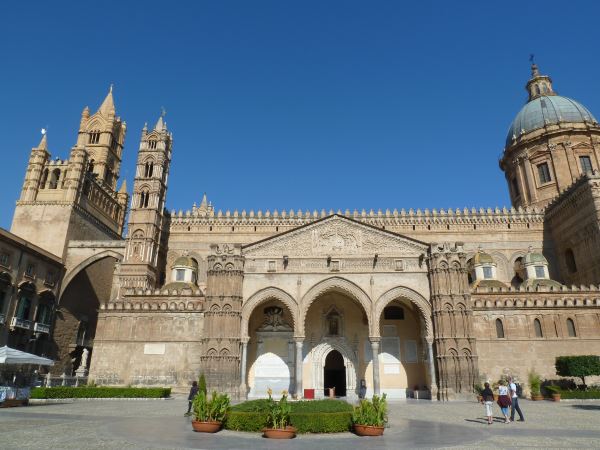
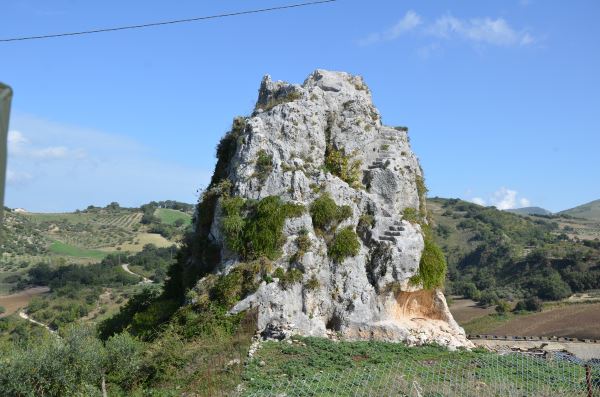
The 3-day excursion aims to show the Late Paleozoic and Early Mesozoic fills of the sedimentary basins originally located along the western margin of the Ionian Tethys and now tectonically imbricated in the Maghrebian fold and thrust belt. In particular, the excursion will focus the Permian and Triassic sediments from the Sosio and Roccapalumba areas, the Upper Triassic Halobia limestone of the Sicanian Basin and the facies distribution in the external zones of a rimmed carbonate platform of Late Triassic age.

Difficulty and additional notes: low; short walks and hiking on easy trails.
Hiking boots, safety googles and rain coat required. Be aware that summer temperature may be particularity hot in Italy and you may need to protect your eyes and skin from the sun.
 

Strati_FT 12 Post Congress

Strati_FT 12 Post Congress

Cambrian palaeoenvironments, biotas and boundaries in South-Western Sardinia (Italy)

Field Trip leaders/co-leaders: G. L. Pillola (University of Cagliari, Italy)
Duration: 2 days, 6th-9th July
Meeting point/date/time: Hotel in Cagliari, from 6th July late afternoon
Ending point/date/time: Cagliari, 9th July, early morning
Quote included:  3 night hotel/ 3 packed lunch / 2 dinner / Insurance/ 2 day bus
Quote not included: flight
Price: 750€
Minimum number of participants25

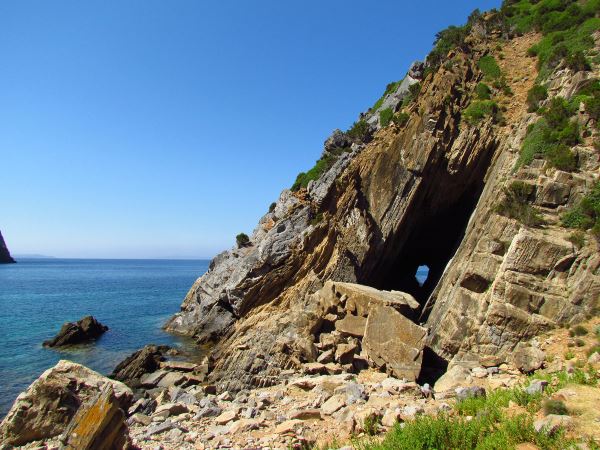
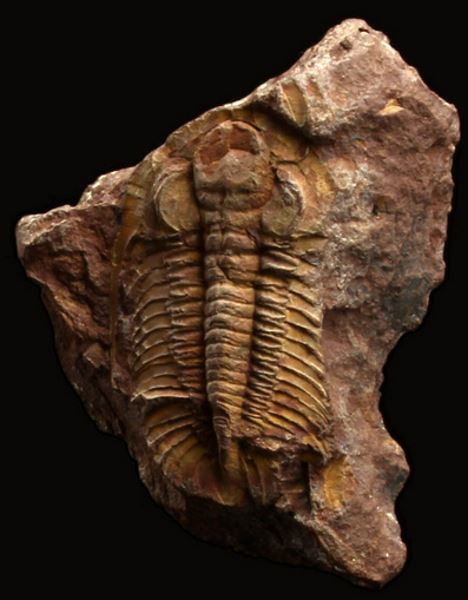
The excursion will focus on the best exposed and fossiliferous outcrops ranging from the Early Cambrian Matoppa Fm. (Series 2, Stage 3) to Tremadoc, through an up to 1500 m thick succession. The first day we will visit the Lower Cambrian Serra Scoris – Seddas Moddizzis sections near Gonnesa, with peculiar attention to the Archaeocyathan-calcimicrobes buildups and terrigenous trilobites bearing levels, then the famous Canalgrande outcrops containing the Dolerolenus-Metadoxides beds. The second day will be devoted to the uppermost Lower Cambrian to Middle Cambrian transition and the Cambrian/Ordovician boundary in the type-section of the Iglesias Group (Campo Pisano and Cabitza area). In the afternoon we will reach the Su Corovau section (Domusnovas) passing through the San Giovanni Cave. Finally, the first excursion day will start with the visit of the PAS Museum (Carbonia) and the second day with the Museum of Mineralogy of the historical “Istituto Minerario” of Iglesias.

Difficulty and additional notes: Medium-low difficulty.Hiking boots, safety googles and rain coat required. Be aware that summer temperature may be particularity hot in Italy and you may need to protect your eyes and skin from the sun.